Soil Erosion & Climate Change The Hidden Cost of Heavy Rains

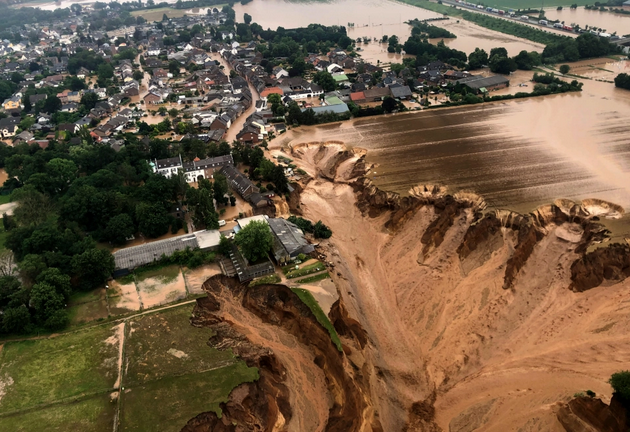
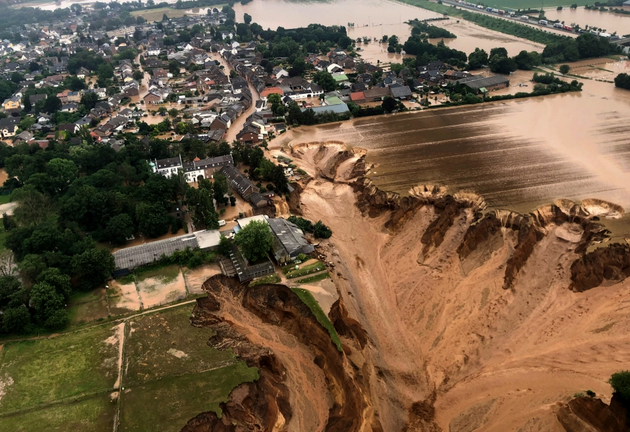
In the shadow of climate change discussions dominated by rising temperatures and melting glaciers, another critical environmental crisis is unfolding beneath our feet. Soil erosion, accelerated by increasingly intense rainfall events, is silently degrading the very foundation of our ecosystems and food systems..

Lorem ipsum dolor sit amet, consectetur adipiscing elit. Ut elit tellus, luctus nec ullamcorper mattis, pulvinar dapibus leo.

The Climate Connection

Climate models consistently predict that a warmer atmosphere will lead to more intense precipitation events. For every 1°C increase in temperature, the atmosphere can hold about 7% more moisture. This translates to heavier downpours when storms occur, creating perfect conditions for soil erosion.

The Vicious Cycle

Soil erosion isn’t just a consequence of climate change—it actively contributes to it. Healthy soils are carbon sinks, storing about three times more carbon than the atmosphere. When soil erodes, this stored carbon is released back into the atmosphere as CO₂, further exacerbating global warming.

Key Statistics

Global soil erosion rates have increased by 25-30% since 1900
The U.S. loses about 5.3 tons of soil per acre annually to erosion
Heavy rain events have increased by 71% in the Northeastern U.S. since 1958
It takes approximately 500 years to form 1 inch of topsoil naturally
Agricultural Impacts

The agricultural sector bears the brunt of soil erosion. The UN estimates that we lose 24 billion tons of fertile soil annually, with about 40% of the world’s agricultural land already classified as degraded. This degradation reduces crop yields, increases fertilizer requirements, and threatens food security.

A Call to Action

Addressing soil erosion requires policy changes, agricultural reform, and individual action. Supporting soil conservation programs, choosing sustainably grown food, and implementing erosion control measures in our own landscapes can all make a difference.

As climate change intensifies rainfall patterns, protecting our soils becomes not just an environmental imperative, but a matter of survival. The thin layer of topsoil that sustains life on Earth is far more fragile—and far more important—than most people realize.

3 Responses

Leave a Reply

Your email address will not be published. Required fields are marked *