Save the Kilimanjaro Glacier

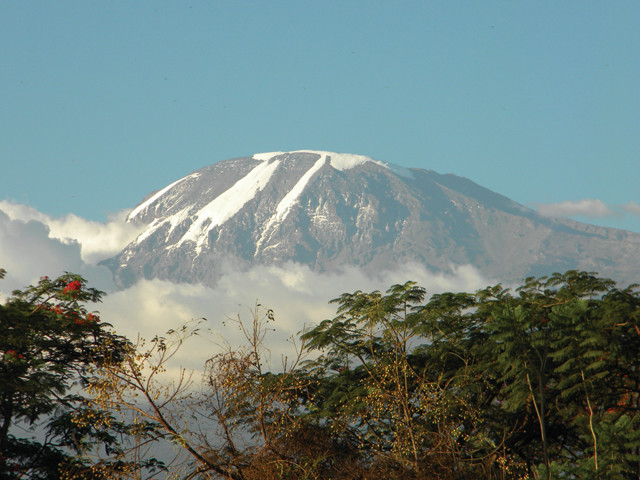
Mount Kilimanjaro is the highest mountain in Africa, also it is the highest free-standing mountain in the world. The mountain is located in the northern part of Tanzania in the Kilimanjaro region. Apart from attracting tourists, it supports the livelihoods of many people through the forests around, biodiversity, and water sources along the slopes of the Mountain, just to mention a few. The dramatic loss of Kilimanjaro’s ice cover has attracted global attention (Thompson, et al, 2009). Mölg  et al, (2010) suggests that Glacier loss on Kilimanjaro is an exceptional case.

Unfortunately, the snow at the top of the Mountain is melting at a faster rate. It is estimated that if measures are not taken, the ice cap will be completely gone by 2050. Drivers for glacier loss are reported as warmer near-surface conditions (Thompson, et al, 2009), regional shifts in precipitation zones that result from large-scale warming of air and oceans as well as general global warming. 

If no immediate actions are taken, the snow will disappear completely in the near future, leading to dry up of major water sources, loss of biodiversity, increased drought etc. This will have huge impacts to lives of many people on the slopes of the mountain and all people who depend on material supplies from the mountain as well as Tanzania as a Nation since will lose income from many Tourists.


It is based on these facts, Action for Climate Change (ACC), a Tanzanian National Governmental Organization takes initiatives to contribute to reducing the effect of warming of near-surface conditions by enhancing the cooling of the environment through afforestation. However, the limitation of resources pulls back ACC`s efforts.

Join us to save Kilimanjaro by donating

Donate to support the initiative to plant one million trees around Mount Kilimanjaro to reduce warming near-surface conditions

Other Causes
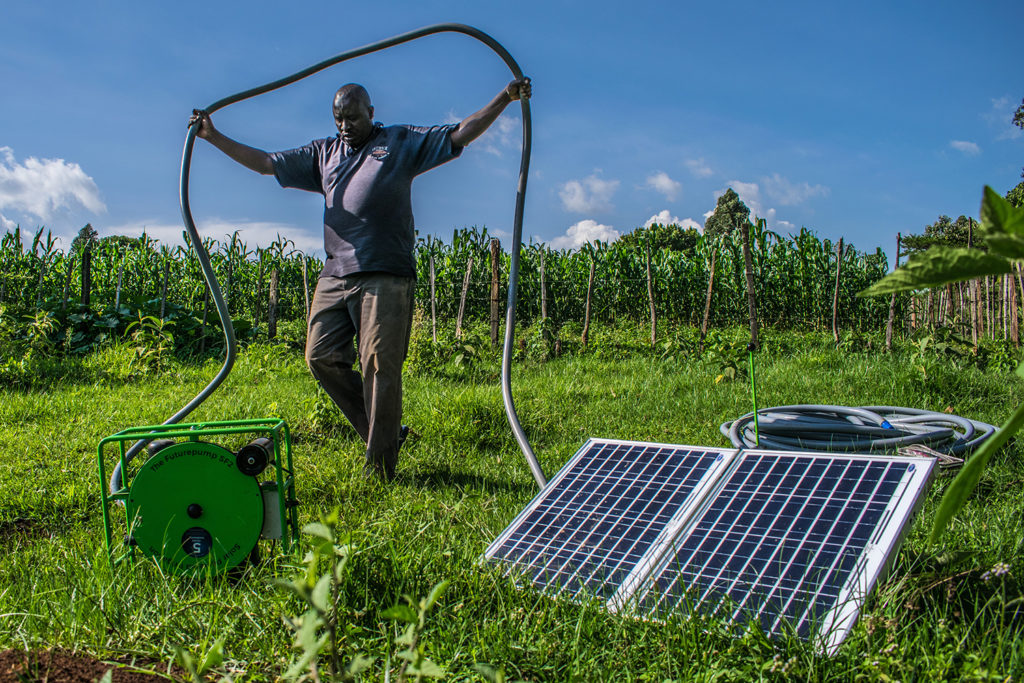
Solar Irrigation

By advocating and promoting the application of solar Irrigation we reduce air pollution due to the burning of biofuels.
Zoonotic

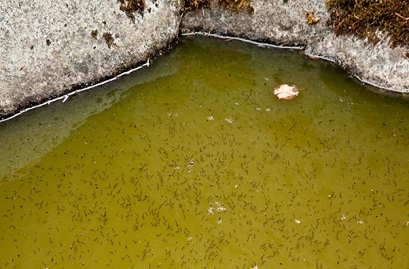
Zoonotic diseases take advantage of the greater range made available by climate change to spread more widely.
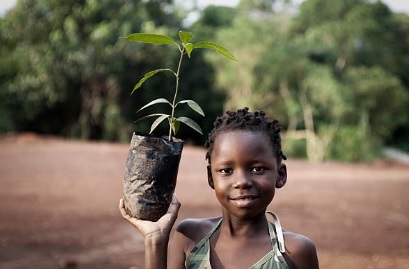
Reforestation at Kilimanjaro

This will have huge impact to lives of many people on the slopes of the mountain and all people who depend on material supplies from the mountain