Climate change poses a significant threat to biodiversity, impacting ecosystems, species, and the delicate balance of life on Earth. The primary ways in which climate change threatens biodiversity include:
1. Habitat Loss and Alteration
- Temperature and Precipitation Changes: Altered climate patterns can render habitats unsuitable for the species that currently live there. For example, rising temperatures might push species toward cooler regions or higher altitudes, but not all species can migrate, leading to a loss in biodiversity.
- Melting Ice and Rising Sea Levels: Polar regions and coastal habitats are particularly vulnerable. Melting ice caps reduce habitats for species like polar bears and seals, while rising sea levels can submerge coastal ecosystems, including mangroves, coral reefs, and salt marshes.
2. Disruption of Ecosystem Services
- Pollination: Many species, including bees, are sensitive to temperature changes. Shifts in climate can disrupt pollination patterns, affecting plant reproduction and, consequently, the species that rely on these plants.
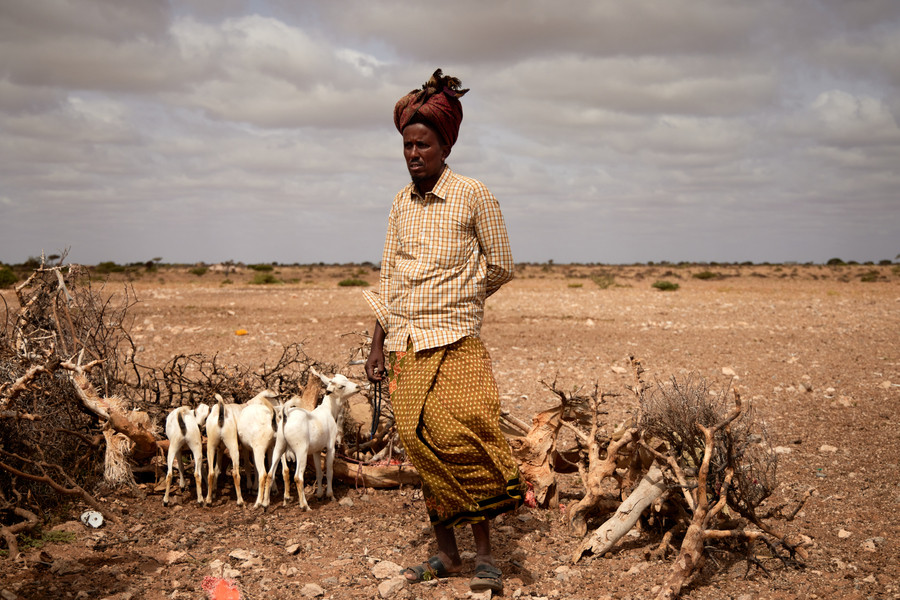
- Water Cycle Changes: Climate change can alter rainfall patterns, leading to droughts or flooding. These changes can disrupt freshwater ecosystems, affecting species that depend on consistent water availability.
3. Species Extinctions
- Increased Vulnerability: Some species, particularly those with small populations, limited ranges, or specific habitat requirements, are at higher risk of extinction due to climate change. The rapid rate of climate change often outpaces the ability of species to adapt.
- Disrupted Food Chains: As certain species decline or migrate, the entire food web can be affected, leading to further extinctions. For instance, if a key prey species declines, predators that rely on them may also face extinction.
4. Invasive Species
- Range Shifts: Climate change can enable invasive species to thrive in new areas where they previously couldn’t survive. These species often outcompete native species for resources, leading to a decline in local biodiversity.
5. Ocean Acidification
- Coral Reefs: Increased CO2 levels lead to ocean acidification, which harms coral reefs by weakening their calcium carbonate structures. Coral reefs are biodiversity hotspots, and their decline can lead to the loss of numerous marine species.
- Marine Life: Ocean acidification also affects shellfish, plankton, and other marine organisms that rely on calcium carbonate for their shells and skeletons, disrupting marine food chains.
6. Phenological Changes
- Timing Mismatches: Climate change can alter the timing of biological events, such as migration, breeding, and flowering. When species rely on specific timing (e.g., birds migrating to coincide with peak insect availability), these mismatches can lead to population declines.
Conclusion
Climate change is a multifaceted threat to biodiversity, with direct and indirect impacts that can cascade through ecosystems. The loss of biodiversity not only threatens individual species but also undermines the resilience of ecosystems to cope with further environmental changes. Protecting biodiversity in the face of climate change requires both mitigating climate change itself and implementing conservation strategies that help species adapt to the changes already underway.

Action For Climate Change
Action for Climate Change (ACC) is founded on the philosophy that for solutions to challenges that affect the community to be effective, the respective community must be engaged to devise such mitigation strategies.
That’s a great point about needing quick mental breaks! Sometimes a simple game is all you need. I’ve been enjoying classic card games lately – easy to pick up on solitaire, no downloads needed, which is a huge plus! 👍
33win6 – any good? Thinking about trying a new platform. Give me your thoughts! 33win6
Yo, just checked out Winbuz on Winbuzzregister.com! Seems legit, let’s see if I can win some real money. Gonna try my luck! Check it out for yourself: winbuz
Just wanted to say hello8822 is actually getting some love from me. It’s not bad, give it a try. I think you guys will love it! Found them here: hello8822
Logged in to 5mbdangnhap. Worked like a charm. No issues at all. Pretty straightforward login experience. Nice and easy 5mbdangnhap
Sup, just stumbled upon 9377wingame. Looks like a fun little time waster. Curious if anyone’s sunk any significant time into it and if it’s worth getting hooked on? 9377wingame
Hey, so I downloaded 50betapp. The app itself is simple. Easy to use. Selection of games good. Could use a little updating though to be fair. But it does what it says on the tin. Download it, give it a whirl! Good selection. 50betapp
Rolling with tgaslot168 and so far, so good. Easy to use and a decent range of slots. Have a peek! tgaslot168
Alright folks! Anyone else super keen on ‘game vn123’? Tell me, is this the real deal? I’m hoping to find some legit gameplay here: game vn123